


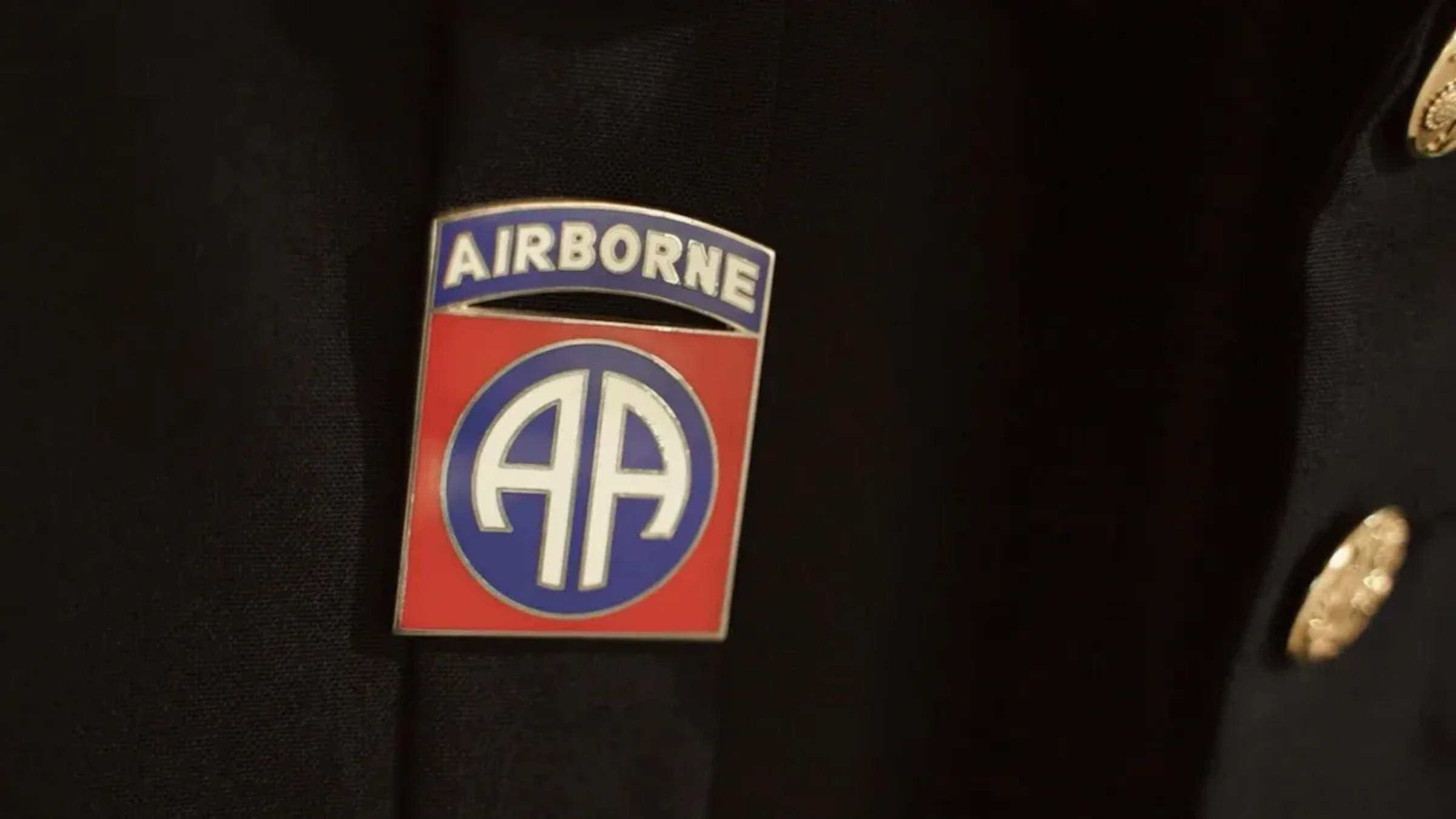
A military badge is a sign of respect and honor. It shows achievements, service, and acts of bravery. Think of it as a small way to reward dedication and courage. These badges have special meanings and link soldiers to their history. They build pride and bring military groups together. Over time, badges became a lasting part of military life. They show the values and sacrifices of those who wear them.
Key Takeaways
- Military badges show respect and honor, highlighting bravery and achievements.
- Badges changed over time, from old symbols to official awards.
- There are many types, like those for courage, service, or skills.
- Wearing badges builds pride, teamwork, and respect among soldiers and civilians.
- Collecting badges is a fun hobby that keeps history alive and honors soldiers.
The Historical Origins of the Military Badge
Early Use of Symbols in Ancient Armies
Military badges started with ancient armies using symbols. These symbols helped identify soldiers and their groups. They were placed on shields, banners, or uniforms to keep order in battles. Roman soldiers, for example, had special emblems on shields to show their legions. These emblems gave soldiers pride and a sense of belonging.
Records show the British Army used badges on flags before 1661. By the 1700s, badges became common on military clothing. Infantry units wore numbers and county names on uniforms to show their identity. Archaeologists found unique badges from the War of 1812. These discoveries show how badges helped organize and identify soldiers during that time.
Development During the Medieval and Early Modern Periods
In medieval times, badges became more detailed. Knights and soldiers used symbols on armor and shields to show loyalty to their leaders. These symbols helped identify them in battles and showed their allegiance. Civilians also wore badges to support causes or leaders they admired.
Books like Medieval Badges: Their Wearers and Their Worlds explain the importance of badges. This book shows how badges were useful and had cultural meanings. In early modern times, armies used badges to show rank, roles, or achievements. This made military identification more organized and professional.
Formalization in the 19th and 20th Centuries
In the 19th and 20th centuries, badges became more official. Armies used them to honor bravery, service, and achievements. Medals and ribbons were common ways to reward soldiers. These badges celebrated accomplishments and showed discipline and dedication.
Better manufacturing made badges easier to produce. Governments gave badges for wars or battles, making them part of military traditions. By the 1900s, badges were a key part of uniforms. They symbolized the sacrifices and achievements of soldiers.
Types of Military Badges

Valor and Bravery Badges
Valor and bravery badges honor acts of great courage. They are given to those who risk their lives for others. These badges stand for selflessness and inspire others to be brave. To earn one, you must meet certain requirements. For example, your actions must involve danger and go beyond normal duties. The table below shows the main rules for these badges:
| Criteria | Description |
| Act of Heroism or Bravery | Must help the Army or its activities. |
| Voluntary Action | Actions must go beyond regular responsibilities. |
| Personal Hazard | Must involve personal danger or risk. |
| Single Acts | Only given for one-time acts of bravery. |
| Not for Combat | Not awarded for fighting against an armed enemy. |
| Life-Saving Not Sole Criterion | Saving a life alone is not enough for this award. |
These badges remind us of the bravery needed in military service. They also show how important individual efforts are to the mission.
Service and Campaign Badges
Service and campaign badges honor participation in specific events. They show dedication during important military operations or campaigns. For example, the Navy Good Conduct Medal rewards good behavior. The Armed Forces Expeditionary Medal honors work in special missions. Here are some examples:
- Navy Good Conduct Medal: Given for good behavior in the Navy.
- Expeditionary Medal: Awarded for taking part in certain missions.
- Antarctica Service Medal: Honors service in Antarctica.
- Armed Forces Expeditionary Medal: Given for work in specific areas.
- Civil War Medal: Honors service during the Civil War (1861–1898).
- Spanish Campaign Medal: Recognizes service in the Spanish-American War (1898).
- Philippine Campaign Medal: Honors service in the Philippine-American War (1899–1916).
These badges celebrate service and keep history alive. They connect you to the legacy of past soldiers.
Skill and Qualification Badges
Skill and qualification badges show expertise in military tasks. They prove skills in areas like shooting, parachuting, or medical work. For example, a sharpshooter badge shows excellent aim with firearms. A parachutist badge means you can perform airborne missions. These badges encourage learning and improving special skills.
They also build pride and a sense of achievement. They push soldiers to stay skilled and ready for challenges. Wearing these badges shows your commitment to your role and your team.
Commemorative and Ceremonial Badges
Commemorative and ceremonial badges are important in military traditions. They honor key events, anniversaries, or milestones in military history. These badges tell stories of respect and remembrance for those who served. Unlike other badges, they celebrate shared experiences, not individual achievements.
For example, commemorative badges may mark a battle’s anniversary or a war’s end. Ceremonial badges are worn at formal events like parades or ceremonies. They represent unity and tradition. These badges remind us of the sacrifices and achievements of military forces.
Military museums help preserve these special badges. They display them as part of history, showing their cultural importance. For instance, the Department of Defence Archive in Pretoria has many military artifacts, including badges. These collections help researchers learn about their historical meaning. But studying modern badges can be harder due to restricted access.
When you visit a military museum, you’ll see badges with uniforms, medals, and other items. This setup shows how badges fit into military history. Each badge tells a story, linking us to the past.
By wearing these badges, military members honor their history. They remind us of the values of service, sacrifice, and unity in military traditions.
The Cultural and Historical Importance of Military Badges
Honoring Sacrifice and Building Morale
Military badges are important for honoring soldiers’ sacrifices. A badge on a uniform tells a story of bravery and hard work. These symbols remind soldiers of their efforts and encourage them to keep serving. For many, earning a badge is more than an award—it’s proof of their dedication.
Veterans often share how badges have shaped their lives. For example:
- Army veteran Tonya Oxendine sees her badges as signs of courage and selflessness. They remind her of the values she lived by during service.
- Michael, who earned a Purple Heart, views his badge as a symbol of strength and overcoming challenges.
- Another veteran, Michael, spoke about his Bronze Star, saying it represents recognition for serving others selflessly.
These stories show how badges honor achievements and lift spirits. Wearing a badge reminds soldiers of their strength and the trust placed in them by their team and country.
Keeping Military Traditions Alive
Military badges are more than awards; they connect us to history. Each badge holds a story, linking soldiers to the values of those before them. Wearing these symbols makes you part of a long-lasting legacy.
Badges also protect military history. They tell stories of battles, missions, and sacrifices. Museums often display badges with uniforms and other items. This helps people learn about the importance of military service. For instance, the Department of Defence Archive in Pretoria has badges showing the rich history of military forces. These displays ensure the stories behind the badges are remembered.
When you wear a badge, you honor its history and values. It’s a way to respect the past and inspire the future.
Representing National Pride and Unity
Military badges are strong symbols of national pride. They stand for values like bravery, loyalty, and service. A badge on a soldier’s uniform shows their promise to protect their country and its people.
Badges also build identity within the military. They show different roles, units, and achievements, creating unity among soldiers. For civilians, badges remind them of the sacrifices made by the armed forces. They inspire respect and gratitude for those who serve.
By wearing a badge, you carry your nation’s pride. It shows your role in defending its values and future.
Role in Storytelling and Historical Documentation
Military badges help keep history alive by sharing stories. They show courage, dedication, and sacrifice from the past. Each badge tells a unique story about events and people. By looking at these badges, you can learn about soldiers’ experiences.
Badges are like visual records of important moments. For example, a campaign badge shows a soldier’s role in a big battle. These badges remind us of the struggles and victories of the past. Seeing a badge tells more than just a name—it shows bravery and hard work.
Did you know? Some badges have detailed designs that represent events or achievements. These designs help historians understand the stories behind them.
Military badges also document history. Museums and archives use them to show changes in uniforms, ranks, and roles. A badge from World War II might show new technology or strategies. Studying these badges helps us see how the military has grown over time.
Badges also keep personal stories alive. Veterans share their lives through the badges they earned. Listening to these stories teaches us about their sacrifices and successes. These stories make history feel real and personal.
Military badges inspire future generations too. They remind us of values like courage and loyalty. By learning the stories behind badges, we honor those who fought for freedom and peace.
Modern-Day Importance of Military Badges
Role in Today’s Military
Military badges are still very important today. They show ranks, roles, and achievements. A badge on a uniform tells what a soldier has done. For example, it might show parachuting skills or mission participation. These badges push soldiers to work harder and learn more. Earning one makes soldiers feel proud and accomplished.
Badges also help soldiers work better as a team. They show each person’s strengths and skills. When everyone wears badges, it creates a sense of belonging. This helps soldiers trust and support each other.
Impact on Civilian Life and Collecting
Military badges have also influenced civilian life. Some people collect them as a hobby. Collectors like them for their history and unique looks. Museums and military events often display badges that tell stories of bravery.
Badges have even inspired fashion and art. Designers use military symbols in clothes and accessories. You might see jackets with patches that look like badges. These designs show respect for the military and its traditions.
For civilians, badges remind them of soldiers’ sacrifices. They help people value courage and dedication shown by the armed forces.
Building Team Spirit and Unity
Military badges bring soldiers together and build team spirit. Wearing a badge shows you are part of a group. This shared identity creates loyalty and teamwork. Soldiers feel proud to belong to a unit with a strong purpose.
Badges also create respect between different groups. Seeing another soldier’s badge shows their skills and achievements. This respect strengthens bonds within the military.
For civilians, badges represent the unity of the armed forces. They remind people of the teamwork needed to protect the country. By respecting these badges, civilians honor the values of the military.
Military badges started as basic symbols in ancient armies. Over time, they became detailed designs showing bravery and skill. These badges are more than awards; they keep traditions alive. They remind us of the sacrifices and hard work of soldiers. Today, badges inspire pride and teamwork in the military. They also influence civilian life and culture. Whether on uniforms or in museums, badges share stories of courage and dedication. These stories stay important for every generation.
FAQ
What is the purpose of military badges?
Military badges honor bravery, service, and achievements. They show dedication and hard work. Wearing a badge highlights your role in the military. These badges keep traditions alive and inspire pride in soldiers and civilians.
How do soldiers earn military badges?
Soldiers earn badges by meeting set requirements. Bravery badges need heroic actions. Skill badges require expertise, like shooting or parachuting. Campaign badges honor mission participation. Each badge shows effort and dedication.
Are military badges unique to each country?
Yes, every country has its own badges. They reflect national values and history. For example, the U.S. Army uses the Purple Heart. Other nations have different badges to honor their soldiers.
Can civilians collect military badges?
Yes, civilians can collect badges as a hobby. Many enjoy learning their history. Museums and events display badges for public viewing. Collecting badges helps preserve military history and honor sacrifices.
Why are military badges displayed in museums?
Museums show badges to protect history. Badges tell stories of courage and service. Displays teach visitors about military traditions. They inspire respect for soldiers and their sacrifices.